Katarsis: We were not prepared for that level of recognition
We caught up with the Lithuanian band Katarsis to chat about their unexpected success, impressions of their European tour, and plans for their upcoming performance at the Faine Misto festival.
Katarsis is a Lithuanian post-punk band that became a breakout sensation at Eurovision 2025. The musicians have consistently supported Ukraine and highlighted our shared historical experience, quickly winning the hearts of local fans. Naturally, they’ve become one of the key international headliners announced for the Faine Misto festival, which is kicking off in just a few weeks.
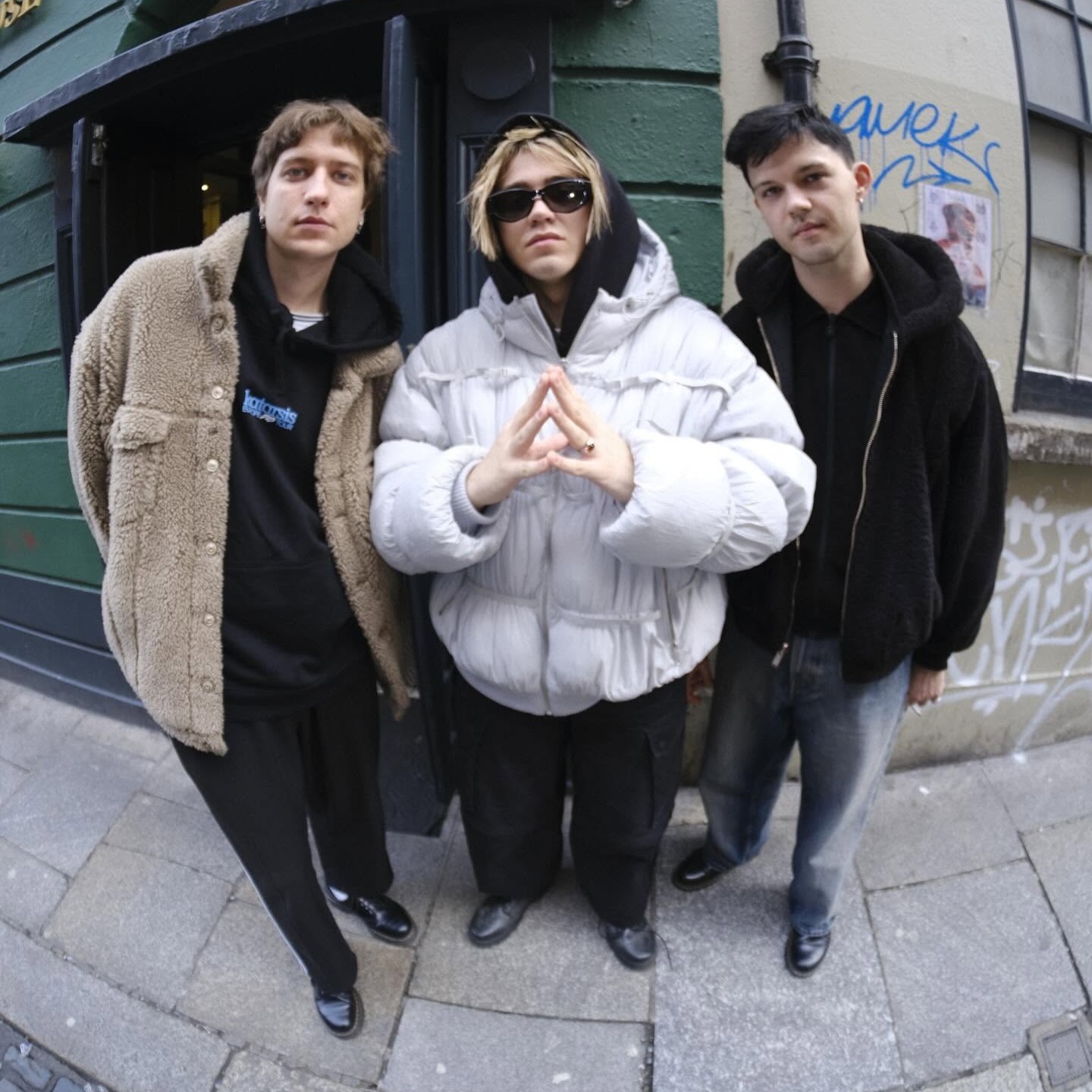
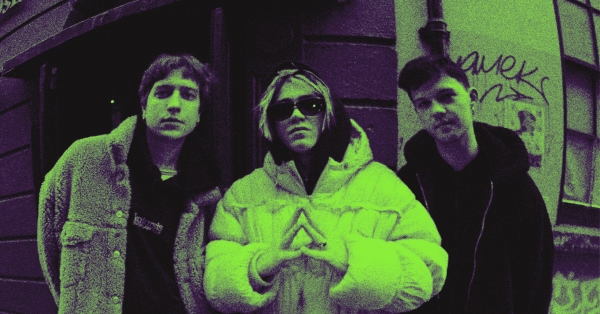
The band currently consists of Lukas Radzevičius (vocals, guitar), Alanas Brasas (guitar) and Jokūbas Andriulis (drums). Bass player Emilija Kandratavičiūtė recently left the band due to health problems.
In 2024, the band released their EP “Dausos”, followed by their debut full-length album “Žiedlapis tau” in January 2026. In 2025, Katarsis represented Lithuania at the Eurovision Song Contest with the song “Tavo akys”, finishing in 16th place in the final. Later that year, in November 2025, the band embarked on their first European tour, performing in nine countries. In March 2026, the band also held their second European tour, during which they visited 10 countries.
— Like many Ukrainians, and Europeans in general, I believe, I first found out about Katarsis through your participation in Eurovision 2025. Now that you have a short break from touring and can reflect on this success: what were your goals and expectations when entering Eurovision? Were you prepared for such a massive level of recognition? And how would you evaluate the band's progress over the past year?
Лукас: We entered our national selection for Eurovision to experience something new; we wanted something different. There were different expectations and wishes going in. The main ones were just wanting to experience what it is like to perform on national television and to show our music in a place where it usually does not belong in a protest kind of way.
We didn't expect that kind of support from people, and winning the selection was a surprise to us. So we were not prepared for that level of attention and recognition.
We progressed way more in the past year than I could ever imagine. Two European tours and a debut album release was eye-opening for me as an artist. And I'm very grateful for that, still trying to keep up with the pace.
— This year you've played 10 shows in 10 different countries. Did any specific countries, performances, or crowds stand out to you?
Lukas and Alanas: Every country stood out in its own specific way, it was interesting for us to see how different places and cultures experience our music. Amsterdam was the first concert of the second tour, and the first concert for us that we played after major changes in the band. We had a wholesome meet up with our fans before the sold-out show and we had a great gig that set the mood for the rest of the tour.
— How did your family or partners react to the idea of performing in Ukraine? Did you hesitate long before making this decision? After all, many foreign artists still refuse to come here due to the threat of missile strikes, which have recently intensified in some cities.
Lukas and Alanas: We wanted to do a concert in Ukraine since our first European tour and after the second one we got an invitation to play at the Faine Misto festival which was a great opportunity for us to come here and show our support and music to Ukraine, we didn't hesitate one bit. Of course our family members are a bit worried but they fully support our decision.

From left to right: Alanas, Lukas, Jokūbas
— The Faine Misto festival press release included this quote: "Seeing how many Ukrainian fans support us, it's our time to show our support for you." How large is your Ukrainian fanbase? In what ways do you feel their support?
Lukas and Alanas: We meet Ukrainian fans in almost every show we play and they are always inviting us to come to Ukraine if we have a chance.
— Judging by the schedule, your set in Ukraine will last forty minutes. Is this enough time for you to present your music? What are you preparing for this performance, and how is the process going?
Lukas and Alanas: Of course we would want a bit more time to play as many songs as possible, but I think in 40 minutes we will still serve a good show and do an introduction to what Katarsis is about.
Also we plan to go out and see the city and explore as much as we can.
— Here is an interesting coincidence: in Ukraine, the post-punk trend has somewhat cooled down recently, but it was holding strong since the early 2020s — right when your band was formed. Similar tendencies can be observed in your music as well. For instance, in "Žiedlapis tau" LP, a shift towards alternative rock is quite noticeable. What triggered those changes in your case? And how do you see the future direction of your music?
Lukas: The genre of the music always came naturally. I never tried to make any specific genre, it all just happened. The change between the early sound and now is just me changing with time. In upcoming music there’s gonna be a big change of sound as well, we want to explore other sounds and try not to attach ourselves to a specific genre.
— Through your discography the recording quality constantly improves and your sound becomes more professional with each new release. So, over these past few years, what has changed in your approach to writing and recording music?
Lukas: I think that the shift in quality is my perception of what sounds good, improving over time, and I started working with more people helping with the mix and masters, which I did all by myself in the beginning.
— Generally speaking, how easy or difficult is it for a post-punk/alt-rock band to gain popularity in Lithuania? For example, your track "Vasarą galvoj minoras" spent more than half a year in the national Top 40. Is this a typical situation in your country, or is it an exceptional success?
Lukas: I don't think it's that easy right now. "Vasarą galvoj minoras" was released for a whole year before it went to the charts. It’s hard to say, depends on the song.

Photo: Lukas Gruseckas, Evelina Sabaliauskaite
— You sing in your native language. Does using Lithuanian in your music — rather than the more universal English — carry a certain political or patriotic context for you? What does it mean to you to popularize your native language worldwide?
Lukas and Alanas: We’ve been listening to Lithuanian music since we were kids, it naturally came this way that we feel proud that we can play music that is in Lithuanian. It’s an unheard language and we’re treasuring the fact we can spread it abroad.
— You have achieved a lot in just one year. What goals are you setting for yourselves now? What new horizons are you aiming to reach?
Lukas and Alanas: At this moment we’re just trying to explore more in our music. In the past year we did so much that it's hard to imagine how to reach new heights after that, but we’re still waiting for the concerts in August, when we will be playing in Ukraine, being the opener for The Cure in Lithuania and playing our biggest solo outdoor gig yet. That month alone already feels like the new horizons. Of course we still have a lot of new plans that we’re hoping to announce soon.
You can catch Katarsis live on August 2nd on the Faine Misto Main Stage. One-day and three-day tickets are currently on sale, ranging from 1,900 to 3,800 UAH, with three-day passes selling out the fastest.
Check out our full guide via the link to see who else is worth checking out across all the festival stages this year.
More about Katarsis:
Photos provided by the band